

Typical logistics stack
Four tools, one weekly rebuild
- Weekly schedule in spreadsheets
- Manual schedule changes by radio or text
- Attendance in a separate time system
- No live view of hours vs plan
Employee scheduling and shift planning for USA businesses with multi-site rosters and finance-week aware coverage.
Schedule warehouse teams, delivery drivers, and distribution staff while improving workforce visibility, reducing overtime, and keeping operations moving.
Built for warehouses, distribution centers, transportation companies, delivery operations, 3PL providers, and multi-facility logistics networks.
30-day free trial on every plan, then Starter from $4/seat per month ($3.60 billed yearly). Mobile access included for staff and managers. View pricing.
Logistics managers juggle warehouse floors, driver routes, dispatch teams, and multi-facility coverage, often with spreadsheets per site, radio handoffs for changes, and attendance in another system. Heyshift keeps scheduling and attendance on one platform so supervisors spend less time rebuilding the week.
Logistics staff scheduling software should match how operations actually run: multi-shift, multi-site, and attendance-aware. Heyshift fits teams that need scheduling plus visibility without enterprise HR complexity.
01
Coverage gaps on receiving, pick, or dispatch during peak windows
Department templates and one publish path so every shift band sees the same week, not a photo in a group chat
02
Driver and floor schedules that do not stay aligned
One account with site and department structure for warehouse, dispatch, and last-mile teams
03
Extra hours building before supervisors can rebalance crews
Scheduled hours and extra-hour signals while you build coverage, not only at payroll export
04
Open shifts filled through phone trees when call-outs hit
Open shifts and availability on the grid so leads fill gaps before shipments slip
05
Multi-facility schedules rebuilt in separate spreadsheet files
Central dashboard for regional leads comparing coverage without email attachments per building
Spreadsheets, manual schedules, and separate attendance systems force supervisors to rebuild truth every week. Heyshift combines employee scheduling, attendance tracking, workforce visibility, and labor insights in one operational workflow.
Typical logistics stack
Four tools, one weekly rebuild
On Heyshift
Scheduling and attendance aligned
Build and publish official logistics schedules, not version five of the same spreadsheet.
Clock-ins, breaks, and overtime tied to published shifts for planned vs worked visibility.
See who is scheduled, who clocked in, and where coverage is thin before shipments slip.
Scheduled hours and hours context beside the grid while leads still have time to adjust.
How it connects
One operational surface for logistics supervisors
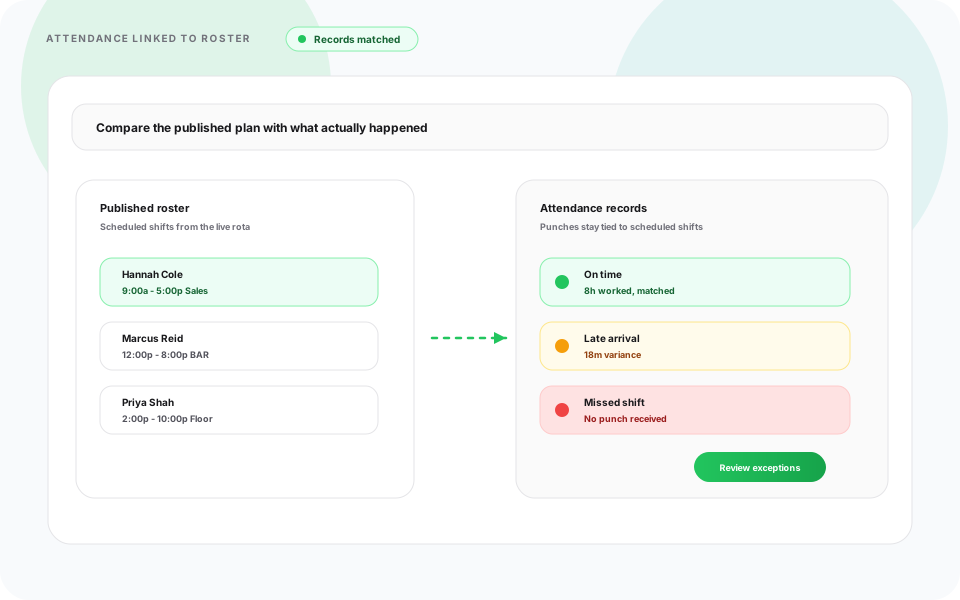
Shift scheduling, availability, attendance, and multi-facility visibility belong in one workflow, not a patchwork of spreadsheets and standalone clocks.
Create and publish logistics schedules faster with templates, copy-week, and bulk publish for warehouse and field teams.
ViewSchedule around availability and time-off before you lock peak outbound and holiday shipping coverage.
ViewTrack attendance, breaks, overtime, and worked hours beside the roster supervisors published.
ViewMonitor staffing levels and shift coverage in real time across departments and facilities.
ViewManage schedules across warehouses, hubs, and distribution centers from one account with site structure.
ViewEmployees access schedules and updates from tablet and phone on the same official roster as desktop.
ViewLogistics productivity depends on the right people in the right place at the right time. Heyshift helps managers improve shift coverage, reduce scheduling conflicts, minimize overtime surprises, monitor attendance, and respond quickly to staffing changes across warehouses and delivery teams.
See open lanes and headcount needs while building the week, not after the shift starts.
Availability and leave on the same grid before you publish peak outbound windows.
Scheduled hours and extra-hour risk visible while supervisors still have time to adjust crew mix.
Clock data tied to published shifts for leads reviewing planned vs worked.
Publish updates once; teams get mobile and web alerts on the official roster.
Logistics businesses depend on the right people being in the right place at the right time. Whether you manage warehouse teams, delivery drivers, distribution centers, or transportation staff, efficient scheduling keeps operations moving and customers satisfied. Heyshift helps logistics companies simplify workforce scheduling, improve communication, reduce overtime, and manage employees across multiple locations from one centralized platform.

Floor operations
Warehouse operations require balanced staffing across receiving, picking, packing, shipping, and inventory management. Schedule teams by department, balance labor across shifts, reduce overtime, quickly fill open shifts, and improve workforce visibility as labor demand changes throughout the day.

High-volume DCs
Distribution centers operate on strict timelines where delays impact the entire supply chain. Coordinate multiple warehouse teams, schedule employees across departments, manage rotating shifts, and keep everyone informed with real-time schedule updates.

Fleet & dispatch
Transportation companies manage dispatchers, drivers, loaders, and support teams working across multiple routes and locations. Schedule employees efficiently, manage recurring shifts, handle last-minute schedule changes, and improve communication across teams.

Customer delivery
Customer expectations for fast deliveries require reliable staffing throughout the day. Schedule delivery teams, manage driver availability, adjust schedules during busy periods, and improve workforce coordination across routes.

Multi-client ops
Third-party logistics providers often manage multiple clients, warehouses, and service agreements simultaneously. Heyshift provides centralized scheduling that helps managers organize employees across locations while maintaining staffing flexibility.

Refrigerated docks
Cold rooms need extra coverage on inbound and outbound docks. Staff freezer and cooler lanes, keep overnight crews on the official roster, and see hours before a late truck extends the shift.
Explore warehouse scheduling when your network also runs dedicated DC floors.
Logistics operations involve many different employee roles working together to keep goods moving efficiently. Heyshift logistics employee scheduling software helps schedule warehouse managers, drivers, pickers, and support staff from one platform. Whether you manage 25 employees or thousands across multiple facilities, everyone stays organized. Read logistics workforce scheduling best practices for operational habits that pair well with software.
Roles you can schedule on one roster
Managing logistics employees involves balancing labor demand, shipment schedules, employee availability, and operational costs. Heyshift helps solve common workforce scheduling challenges without rebuilding schedules from scratch each week. See best employee scheduling software for logistics companies when comparing vendors.
Common logistics scheduling challenges
With Heyshift
Teams want faster schedule builds, reliable coverage, and hour visibility before overtime hits payroll.
Top outcome
Build schedules faster with templates, copy-week, and bulk publish.
Keep operations properly staffed across receiving, pick-pack, dispatch, and delivery.
Monitor attendance and worked hours in real time beside the roster you published.
Gain visibility into workforce hours while you still have time to adjust.
Coordinate teams across warehouses and logistics facilities from one dashboard.
Driver and floor mobile roster
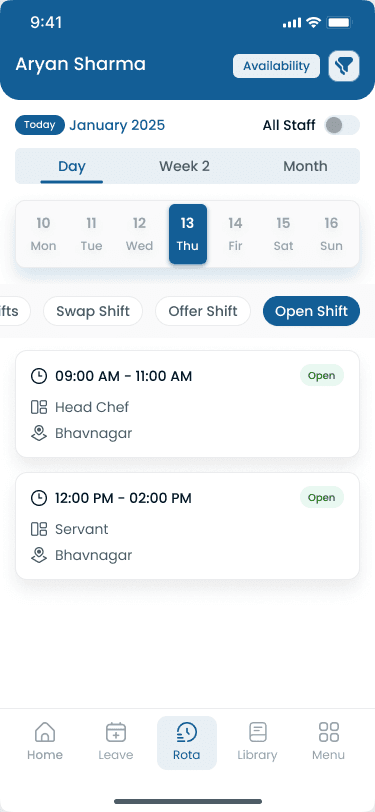
Warehouse and delivery teams view published shifts and updates in the Heyshift mobile app.
Many logistics supervisors still build schedules in Excel or Google Sheets, then chase coverage through phone calls and maintain attendance in a separate system. The table below shows where manual logistics workforce scheduling workflows break down once you staff more than one department or facility.
| Capability | Manual scheduling | Heyshift |
|---|---|---|
| Shift planning | Manual shift planning each week | Build schedules in minutes with templates and copy-week |
| Schedule updates | Spreadsheet updates with version confusion | Real-time schedule changes on the official published roster |
| Coverage notifications | Phone calls for coverage with no audit trail | Instant employee notifications on web and mobile |
| Multi-site management | Difficult multi-site management with separate files per location | Centralized workforce scheduling dashboard with site structure |
| Staffing visibility | Limited staffing visibility into who is scheduled and who is in | Real-time operational overview beside the grid |
| Scheduling accuracy | Higher scheduling errors from parallel spreadsheet versions | Organized scheduling workflow with one publish path |
Supervisors plan receiving, pick-pack, and last-mile lanes on desktop. Floor and driver teams see the official roster on tablet and phone, and clock-ins stay tied to the published shift.
Supervisors build department and shift lanes on one grid, then publish a single official week for warehouse, dispatch, and delivery teams. Copy-week and templates cut rebuild time when holiday shipping or peak fulfillment lands mid-pay period. Compare with warehouse scheduling software for floor-specific depth.
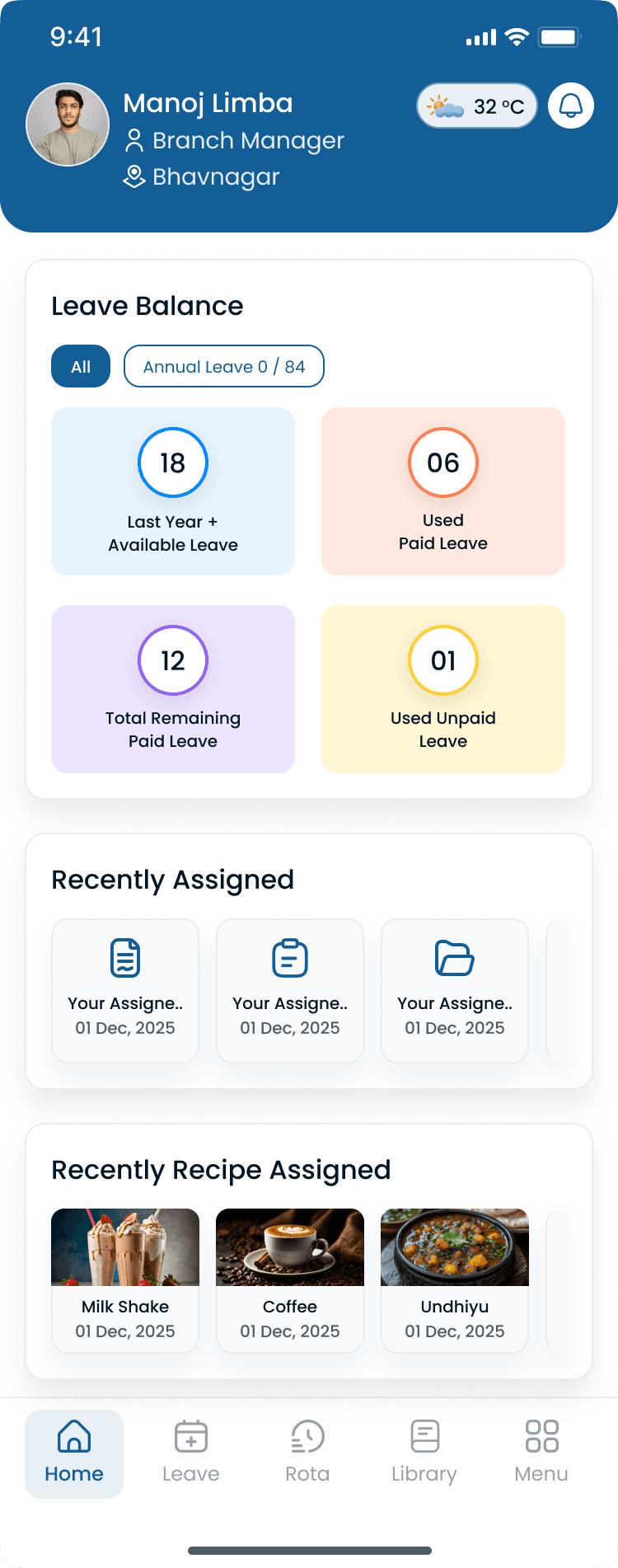
Employees view schedules and receive shift reminders from iOS and Android, the same roster supervisors publish on desktop. That reduces no-shows driven by outdated exports and keeps multi-facility teams aligned without a separate messaging thread.
Different lanes need different headcount. Lane-based scheduling helps supervisors put the right people on receiving, pick, pack, and last-mile work without a second spreadsheet.
Lanes you can schedule on one roster
When evaluating scheduling software, logistics businesses should consider solutions that simplify workforce management while supporting business growth. The right logistics shift scheduling software improves operational efficiency while reducing manual administrative work. Compare options in the employee scheduling software overview, then start a free trial with your real shift patterns.
Look for features including
Common questions from warehouse managers, dispatch leads, and logistics operations directors evaluating logistics employee scheduling software.
Get started
Start a 30-day free trial or book a walkthrough for warehouse, delivery, and distribution coverage without spreadsheet schedules.